
Periods naturally vary between women, but significant changes in bleeding, cycle length, pain, or regularity can sometimes indicate an underlying condition. Seeking Treatment for menstrual problems begins with determining what has changed and why.
Women in Mumbai, Maharashtra, may seek gynecological assessment for heavy periods, irregular cycles, missed periods, prolonged bleeding, bleeding between periods, or severe menstrual pain.
Which Menstrual Changes Need Attention
Medical assessment can be appropriate when periods become unusually heavy, frequently irregular, unexpectedly absent, significantly more painful, or associated with bleeding outside the usual cycle.
Urgent assessment may be necessary for very heavy bleeding accompanied by fainting, severe weakness, breathlessness, intense pain, or possible pregnancy.
What Can Cause Menstrual Problems
Menstrual changes can have many causes, including:
- Hormonal disturbances
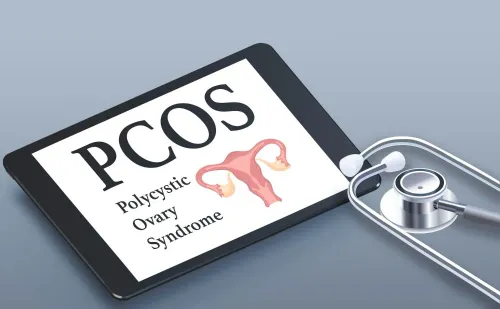
- PCOS
- Fibroids
- Adenomyosis
- Endometriosis
- Thyroid-related conditions
- Pregnancy-related causes
- Perimenopausal changes
- Certain medicines
- Other uterine or systemic conditions
Because the possibilities are broad, treatment based solely on controlling bleeding may not address the underlying issue.
What Happens During Evaluation
A gynecologist may review the timing, duration and amount of bleeding as well as pain and associated symptoms.
Depending on the situation, investigations can include pregnancy testing, blood tests, pelvic ultrasound and other assessments. Hysteroscopy or tissue sampling may be considered for selected patients when clinically indicated.
Dr. Karishma Shirgaonkar can determine which investigations are relevant according to age, symptoms and medical history.
How Is Treatment Selected
Treatment depends on the cause, symptom severity, anaemia risk, age and future pregnancy plans.
Options may include medicines to manage bleeding or pain, hormonal treatment, treatment of an underlying condition, or a gynecological procedure when appropriate.
Minimally invasive procedures can be considered for selected uterine conditions, but not every menstrual problem requires surgery.
Recovery and Follow-Up
There is no single recovery time because management ranges from medication to outpatient procedures and surgery.
Patients undergoing a procedure should receive specific guidance regarding activity, bleeding, pain relief, wound care where relevant and warning signs.
Follow-up is useful even with medical treatment because persistent symptoms may require the diagnosis or management plan to be reconsidered.
Frequently Asked Questions
Are irregular periods always caused by PCOS
No. Several hormonal, reproductive and medical conditions can cause irregular cycles.
Is heavy menstrual bleeding normal with age
Changes can occur during perimenopause, but unusually heavy or abnormal bleeding still deserves appropriate evaluation.
Will menstrual problems always require surgery
No. Many conditions can initially be managed medically, depending on the diagnosis and individual circumstances.
Should I track my periods before seeing a gynecologist
Yes, when practical. Recording cycle dates, bleeding duration, approximate flow and associated symptoms can provide useful information.
Menstrual symptoms should not be dismissed simply because periods are a normal biological process. When bleeding or pain begins interfering with daily activities or changes significantly from a woman’s usual pattern, identifying the cause is the first step toward appropriate treatment.
Keywords