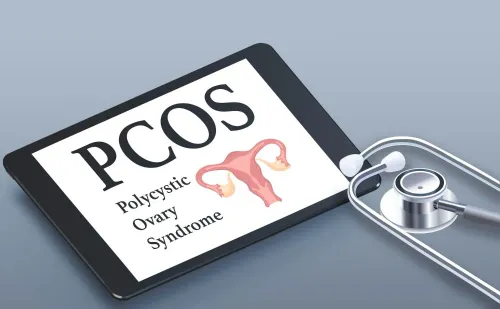
Polycystic ovary syndrome can affect menstrual cycles, ovulation, skin, hair, metabolism and fertility. Effective PCOS care therefore requires more than treating a single symptom.
Women seeking gynecological care in Mumbai, Maharashtra, may present with very different concerns even when they have the same diagnosis. One woman may be troubled mainly by irregular periods, while another may seek help with fertility or metabolic health.
How Is PCOS Assessed
There is no single symptom that confirms PCOS in every patient. Evaluation generally considers menstrual patterns, clinical signs, medical history and selected investigations.
Depending on the circumstances, assessment may include blood tests and pelvic ultrasound. Doctors may also need to exclude other conditions that can produce similar symptoms.
Which Symptoms Can Require Management
PCOS may be associated with:
- Irregular menstrual cycles
- Infrequent periods
- Difficulty with ovulation
- Acne
- Increased facial or body hair
- Scalp hair thinning
- Weight-related concerns
- Difficulty conceiving
Not every woman experiences all of these features.
How Treatment Is Selected
Management depends heavily on the patient’s current goal.
A woman who wants more predictable menstrual cycles may need a different plan from someone actively trying to become pregnant. Metabolic risk factors and symptoms such as acne or excess hair growth may require additional attention.
Lifestyle measures can form part of treatment for appropriate patients, but PCOS should not be reduced to a simple instruction to lose weight. Medical care should consider the complete hormonal, reproductive and metabolic picture.
Benefits and Risks of Treatment
Appropriate management can help control specific symptoms, support menstrual health and address fertility goals where relevant.
Medication risks depend on the treatment prescribed. Hormonal medicines, fertility-related medicines and metabolic treatments each have different contraindications and potential side effects. Self-medication based on another person’s PCOS prescription should therefore be avoided.
Dr. Karishma Shirgaonkar can assess symptoms and reproductive goals before recommending an individualised approach.
Ongoing Care Matters
PCOS management may change over time. A woman who initially seeks help for irregular periods may later require preconception guidance, fertility evaluation, or monitoring of metabolic health.
Follow-up allows the treatment plan to evolve with those needs.
Frequently Asked Questions
Can PCOS be diagnosed from ultrasound alone
No. Ultrasound findings need to be considered alongside symptoms, menstrual history and relevant diagnostic criteria.
Does every woman with PCOS have difficulty becoming pregnant
No. Fertility experiences vary considerably. Some women conceive without fertility treatment, while others may require evaluation and assistance.
Can PCOS disappear permanently after treatment
PCOS is generally managed as a long-term condition rather than treated as a short episode with a guaranteed permanent cure.
Is every irregular period caused by PCOS
No. Pregnancy, thyroid disorders, hormonal changes, stress and several other conditions can affect menstrual cycles.
PCOS care is most useful when it is based on the individual rather than a standard package. Understanding the patient’s symptoms, health risks and reproductive plans helps determine which issues need attention first.
Keywords